

Designing a Balanced Workout Routine: Your Comprehensive Guide
Hands-on self-defense training and practical techniques to equip women with real-life skills.
Understanding the Components of a Balanced Routine
A balanced workout routine incorporates various types of exercises to ensure comprehensive fitness development. These components include cardiovascular exercise, strength training, flexibility and mobility work, and rest and recovery.

Cardiovascular Exercise Cardiovascular exercise, also known as aerobic exercise, is crucial for improving heart health, increasing endurance, and burning calories. Activities such as running, cycling, swimming, and dancing elevate your heart rate and help improve overall cardiovascular fitness. Aim for at least 150 minutes of moderate-intensity cardio or 75 minutes of high-intensity cardio per week.
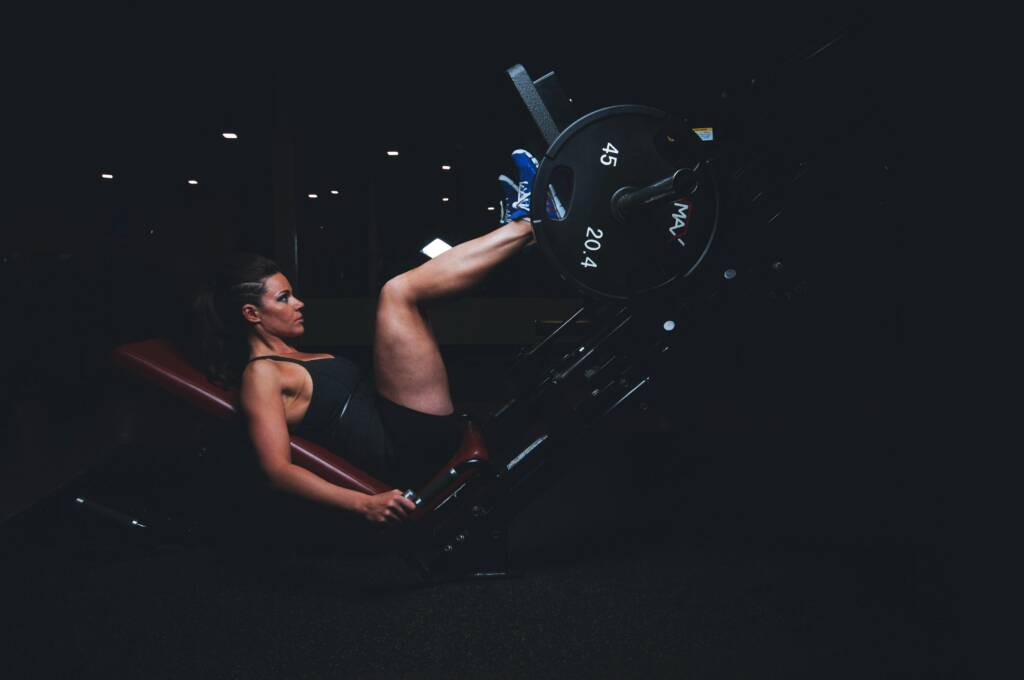
Strength Training Strength training is essential for building and maintaining muscle mass, increasing bone density, and enhancing overall strength. Incorporate weightlifting, resistance band exercises, or bodyweight exercises into your routine. Aim for at least two non-consecutive days of strength training per week, focusing on different muscle groups each session.
Flexibility and Mobility Flexibility and mobility exercises improve your range of motion, prevent injuries, and promote better posture. Incorporate stretching, yoga, or Pilates into your routine to enhance flexibility and mobility. Aim for at least 10-15 minutes of flexibility work at the end of each workout session or dedicate specific days to flexibility and mobility training.
Rest and Recovery Rest and recovery are vital components of any workout routine. Allowing your body to recover helps prevent injuries, reduce fatigue, and promote muscle growth. Incorporate at least one or two rest days per week, and listen to your body to determine when additional rest may be needed. Active recovery, such as light walking or stretching, can also be beneficial.